


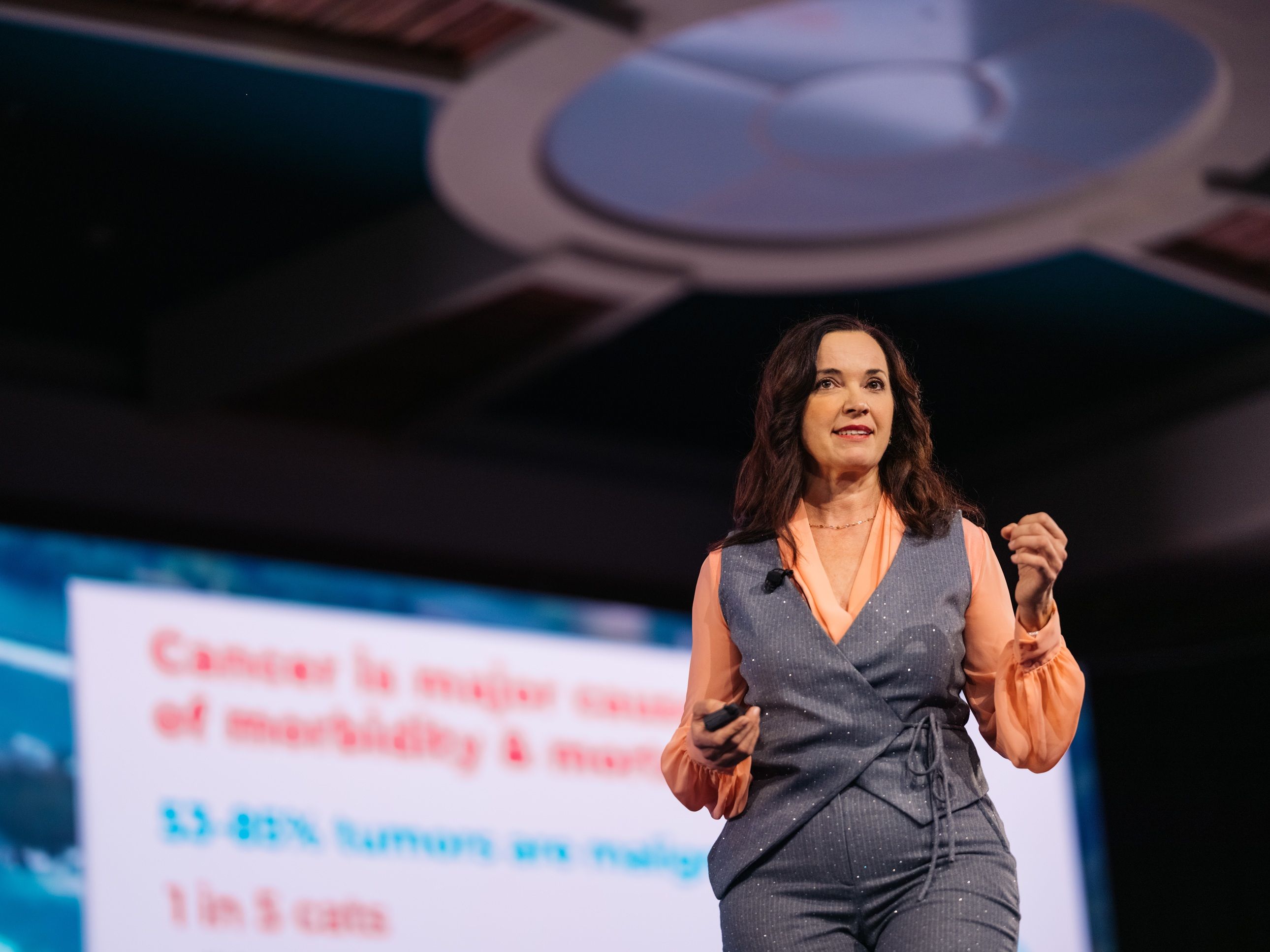
Becvarova: Eating enthusiasm is a critical indicator of a cat’s overall well-being. It reflects their interest in food and their ability to maintain normal behaviors, which are essential for quality of life. A cat that eats with enthusiasm is more likely to meet its nutritional needs, maintain body weight, and preserve muscle mass. These factors are vital for supporting the cat’s physical condition and can even influence the effectiveness of medical treatments.
dvm360: The study emphasizes that cancer treatment is a balance between quality-of-life and quantity-of-life. How would you explain to pet parents that switching to a specialized diet like ONC Care* is a key component of the palliative care plan, even if the primary cancer treatment, like chemotherapy, is stopped?
Becvarova: Palliative care focuses on maximizing comfort and quality of life. Even if chemotherapy or other treatments are no longer being pursued, nutrition remains a cornerstone of care. A therapeutic diet like Hill’s Prescription Diet Feline ONC Care is designed to meet the unique needs of cats with cancer, helping to maintain body weight, muscle mass, and energy intake. By addressing these aspects, the diet can help the cat feel more comfortable and engaged, allowing pet parents to enjoy meaningful time with their pets.
dvm360: Within the study, the food transition took 14 days. What specific challenges might a pet parent face during this transition with a cat that already has a decreased appetite, and what practical advice would you give them to maximize compliance and success?
Becvarova: Transitioning a cat to a new diet can be challenging, especially when the cat has a decreased appetite or is resistant to change. Cats are creatures of habit and can be quite particular about their food.
The therapeutic diet tested in our study was specifically created to be optimally enticing to cats with malignancies. But if cats continue to hesitate to try new food, there are options to help maximize success. These include warming the food to enhance its aroma, offering a variety of textures and flavors, and using toppers known to be palatable to the cat like low-sodium broth. Patience is key! Pet parents should introduce the new diet gradually, offering new food in a separate bowl next to the bowl with old food and increasing the proportion of the new diet over time.
dvm360: The study required pet parents to use a scientifically validated emoji scale to assess eating enthusiasm. How does using a standardized, validated, yet simple tool like this help you, as the veterinary professional, gather reliable data from a non-medical client?
Becvarova: A standardized tool like the validated eating enthusiasm emoji scale makes it easier for pet parents to consistently and accurately report their cat’s eating behavior.1 It bridges the gap between clinical assessments and real-world observations by providing a simple, intuitive way for pet parents to share meaningful data. This helps veterinary professionals track trends over time and make informed decisions about the cat’s care.
dvm360 staff: Is there anything else you would like to add that we haven’t asked?
Becvarova: I’d like to emphasize the importance of regular nutritional assessments for cats with cancer. Monitoring body weight, body condition score, and muscle condition score at every visit allows veterinary teams to identify early signs of malnutrition and intervene promptly. Nutrition is a critical component of cancer care, and it can significantly improve a cat’s quality of life, providing peace of mind for pet parents and helping them focus on creating meaningful moments with their beloved pets.
*Note: Hill’s Prescription Diet ONC Care dry formula is the US brand name for this product. In the United Kingdom, where Becvarova and her team conducted their study, this product is known as Hill’s Prescription Diet ON-Care dry formula.
References
- Vanchina MA, et al. Development and validation of an emoji-based pet eating enthusiasm scale, 2022 (Hill’s data on file).
link