Cat Therapeutic Diet Market Size
Cat Therapeutic Diet Market Summary
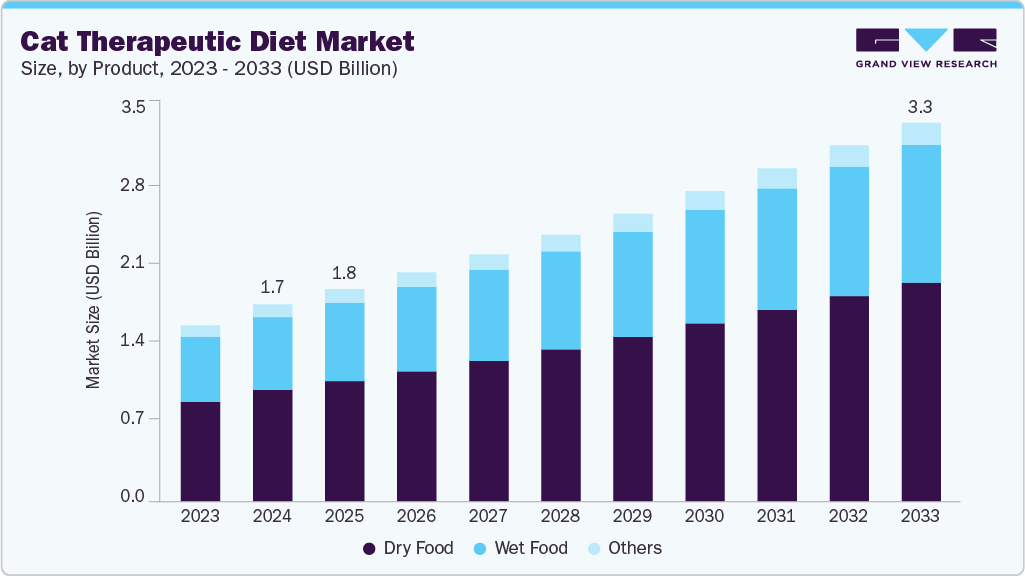
The global cat therapeutic diet market size was estimated at USD 1.72 billion in 2024 and is projected to reach USD 3.31 billion by 2033, growing at a CAGR of 7.50% from 2025 to 2033. The market is expanding due to factors such as the humanization of pets, the premiumization of pet nutrition, the increase in lifestyle-related illnesses, veterinary advice, and increased awareness of clinical nutrition.
Key Market Trends & Insights
- North America cat therapeutic diet market held the largest share of 40.37% of the global market in 2024.
- The U.S. cat therapeutic diet industry dominated North America in 2024.
- By product, the dry food segment held the largest market share of over 56.56% in 2024.
- By indication, the obesity care segment held the largest market share of 22.33% in 2024.
- By distribution channel, the veterinary hospitals & clinics segment held the highest market share in 2024.
Market Size & Forecast
- 2024 Market Size: USD 1.72 Billion
- 2033 Projected Market Size: USD 3.31 Billion
- CAGR (2025-2033): 7.50%
- North America: Largest Market in 2024
- Asia Pacific: Fastest Growing Market
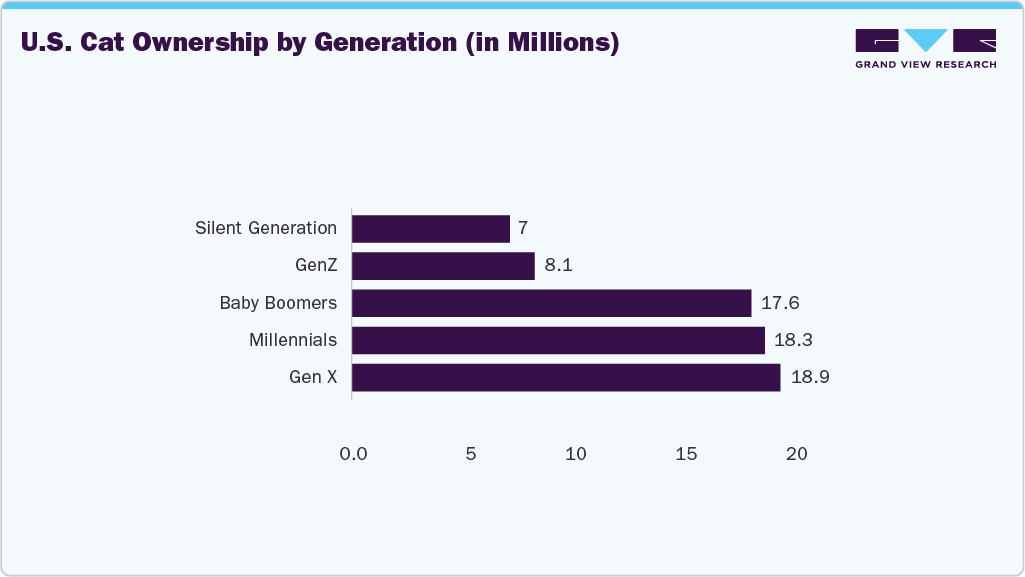
The humanization of pets continues to influence the cat food market as owners value their cats’ well-being and regard them as vital family members. The humanization of pets continues to influence the cat food market as owners value their cats’ well-being and regard them as vital family members. According to a January 2025 Forbes report, around 46.5 million households in the United States possess at least one cat, making them a popular companion animal.
The shift of these owners towards pets has accelerated demand for premium therapeutic diets that align with broader consumer trends in wellness and nutrition. The demand for high-end therapeutic meals that follow general consumer trends in nutrition and wellbeing has increased as a result of these owners’ transition to pet ownership. The graph below indicates cat ownership by various generation:
The shift of these owners towards pets has accelerated demand for premium therapeutic diets that align with broader consumer trends in wellness and nutrition. The demand for high-end therapeutic meals that follow general consumer trends in nutrition and wellbeing has increased as a result of these owners’ transition to pet ownership. High-quality, grain-free, organic, or functional therapeutic meals that prevent or treat chronic illnesses are more expensive for owners. The premiumization trend is influenced by urbanization, rising disposable incomes, and pet parents’ heightened health consciousness.
The cat therapeutic diet industry is expanding steadily and robustly because therapeutic diets are now viewed as proactive investments in preventative healthcare rather than just medical interventions. The rising incidence of lifestyle-related diseases in cats, such as diabetes, obesity, kidney difficulties, urinary tract infections, and gastrointestinal disorders, is driving the need for therapeutic diets. Therapeutic diets tailored for weight management, kidney support, or sensitive digestion provide targeted benefits, ensuring better long-term feline health. As awareness of pet health grows, the adoption of condition-specific diets is becoming an essential element of modern feline healthcare.
Veterinary recommendations remain one of the strongest drivers of therapeutic cat diet adoption. When it comes to certain problems like allergies, gastrointestinal sensitivities, or renal disease, pet owners trust the advice of veterinarians. Veterinarian offices frequently serve as important distribution hubs, enhancing the legitimacy and accessibility of these diets. Simultaneously, acceptability is increasing as more people become aware of the role therapeutic nutrition plays in managing and preventing disease through campaigns, instructional materials, and pet care platforms.
In July 2025, Mars Petcare’s announced a new campaign for Whiskas that emphasizes informed feeding by highlighting cats’ unique nutritional needs. Cats need certain, well-balanced meals to maintain their health, unlike dogs. In order to ensure that cats receive scientifically prepared nourishment that is customized to their biological requirements for long-term welfare, the campaign calls on pet parents to go beyond emotional feeding. In order to ensure that cats receive scientifically prepared nourishment that is customized to their biological requirements for long-term welfare, the campaign calls on pet parents to go beyond emotional feeding. Therapeutic diets are seen by owners as essential to long-term care and preventing recurrences.
Market Concentration & Characteristics
The availability and legitimacy of these products are further increased through strategic alliances between pet nutrition firms and veterinarians, which increases market penetration. Global players, including Colgate-Palmolive (Hill’s Pet Nutrition), Nestlé (Purina), Mars Petcare (Royal Canin, Whiskas), and General Mills (Blue Buffalo) control a somewhat concentrated market for cat therapeutic diets. Virbac contributes veterinary-specific knowledge. Their competitive edge and market dominance are strengthened by their strong veterinary partnerships, R&D skills, and brand equity.
Personalized nutrition, grain-free alternatives, and functional ingredients all help to differentiate products and win over customers. Functional ingredients, grain-free options, and personalized nutrition continue to drive differentiation and build consumer trust. Reflecting this trend, in February 2025, Nestlé Purina expands its pyramid-shaped wet cat food across Europe and the U.S., introducing a transparent jelly variant with salmon, chicken, or white fish under Gourmet Revelations research to support gastrointestinal, skin, oral, and urinary health in pets, further advancing therapeutic nutrition solutions.
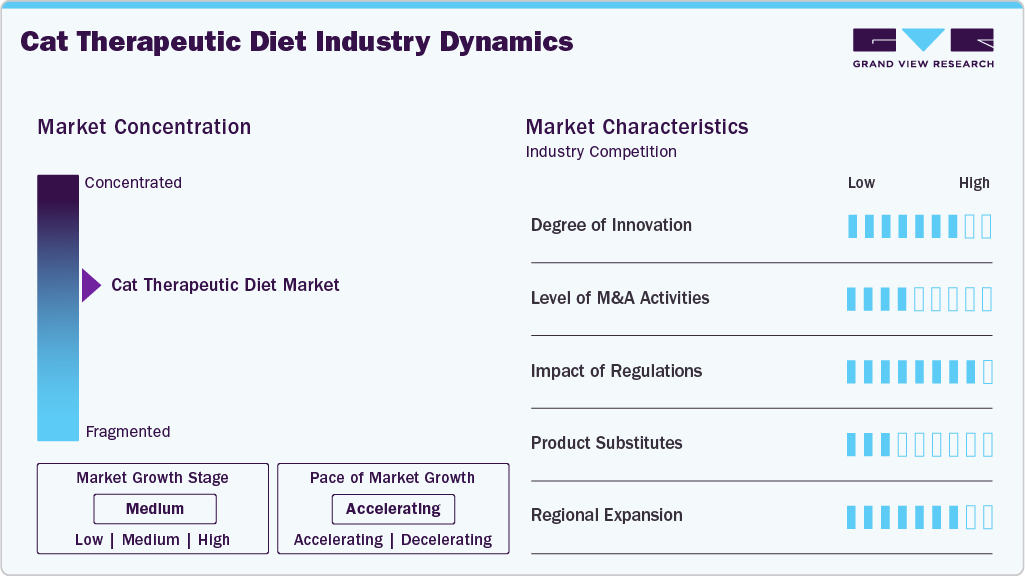
The cat therapeutic diet market continues to see modest but strategically significant mergers and acquisitions. Colgate-Palmolive’s Hill’s Pet Nutrition purchased Prime100, a well-known fresh pet food brand in Australia, in February 2025. By joining the rapidly increasing fresh food market to supplement its veterinarian-endorsed diets, Hill’s portfolio is strengthened. It also increases clinical adoption, distribution reach, and market presence in Australia’s premium pet nutrition sector.
The cat therapeutic diets market is greatly impacted by regulations, especially those pertaining to veterinary claims, ingredient safety, and labeling. Product quality, transparency, and compliance are guaranteed by more stringent regulation by organizations like as the FDA and AAFCO. Clinical efficacy requirements for veterinary-only meals must be met, and manufacturers face extra regulatory challenges as the demand for natural and organic certification grows.
Nutraceutical supplements, regular premium cat food, and home-cooked meals can all be used as alternatives to cat therapeutic diets. Although homemade diets frequently lack adequate nutrients, some pet owners believe they are healthier or more natural. Probiotics and joint care products are examples of supplements that can partially replace therapeutic diets.Veterinarian confidence and established clinical advantages, however, prevent alternatives from sharply reducing demand.
With therapeutic meals primarily aimed at pet owners managing cats with acute or chronic health issues, end user concentration is moderate. Veterinarian offices, specialist pet shops, and online marketplaces are major sources of distribution. Although adoption is expanding across diverse demographics, households with higher incomes and stronger pet humanization tendencies account for the bulk of demand.
Product Insights
Dry food dominated the cat therapeutic diet market with the largest revenue share of 56.56% in 2024. It is expected to grow the fastest over the forecast period due to its convenience, cost-effectiveness, and long shelf life. Compared to wet food, dry therapeutic diets are preferred by pet owners for simpler storage, portion control, and decreased spoiling. Dry formulations are quite versatile and frequently recommended by veterinarians for the treatment of disorders like obesity, urinary health, and dental problems. Furthermore, the compatibility of dry food with functional elements like probiotics and specific fibers improves therapeutic outcomes and aids in the long-term management of disease. The dominant position of dry food in the therapeutic nutrition market is further cemented by its widespread availability in veterinary clinics, specialized shops, and online marketplaces.
These products, which are made to satisfy a variety of feline requirements, offer comprehensive, well-balanced nutrition. Indoor Delights helps indoor cats by lowering the development of hairballs and the smell of the litter box, enhancing Purina’s position in the market. Sedentary lifestyles, overfeeding, and calorie-dense diets have made obesity a leading health concern, associated with conditions like diabetes, arthritis, and cardiovascular issues. Oleea, a supplemental feed for overweight cats introduced by Innovet, a Swedencare subsidiary, in February 2023. It enhances lipid-glucose balance, boosts metabolism, reduces the risks of obesity, and employs the endocannabinoid system to promote adipose tissue health. Therapeutic diets for treating obesity are designed with calorie restriction, high-quality protein, and fiber to promote satiety and consistent weight loss.
Indication Insights
The obesity segment led the cat therapeutic diet industry with a revenue share of about 22.0% in 2024, driven by the rising prevalence of overweight and obese cats worldwide. Growing pet humanization and owner awareness of obesity-related health risks further fuel demand, making weight management diets a dominant therapeutic category. Because chronic kidney disease (CKD) is becoming more common in older cat populations, the renal care section of the cat therapeutic diet market is expanding at the quickest rate. In order to prevent the progression of chronic kidney disease (CKD), enhance hydration, and promote kidney function through regulated levels of protein, phosphorus, and sodium, veterinarians are increasingly prescribing specialized renal diets.
The renal care segment is the fastest growing, driven by the rising prevalence of chronic kidney disease (CKD) among aging feline populations. Growing pet owner awareness of kidney-related disorders and the importance of early intervention further boosts demand. Renal diets for cats are becoming more palatable due to advancements in palatability, texture, and nutrient composition, which will improve long-term management and compliance. Renal care is now positioned as a major market driver due to this increase. Since they are the main locations for diagnosis, prescription, and distribution of specialist diets, veterinary clinics and hospitals account for the largest portion of the market. When it comes to controlling illnesses like obesity, diabetes, kidney disease, and gastrointestinal issues, veterinarians are essential in suggesting therapeutic nutrition.
Distribution Channel Insights
Veterinary hospitals and clinics represent the largest segment in the cat therapeutic diet market, as they are the primary point of diagnosis, prescription, and distribution of specialized diets. Pet owners purchase meals directly from clinics because they have faith in the expertise of the veterinarian staff, which ensures that treatment plans are adhered to. Additionally, hospitals and clinics can offer a range of diets customized for specific illnesses because they have strong partnerships with leading pet food manufacturers. Their market supremacy is guaranteed by this direct veterinarian-owner contact.
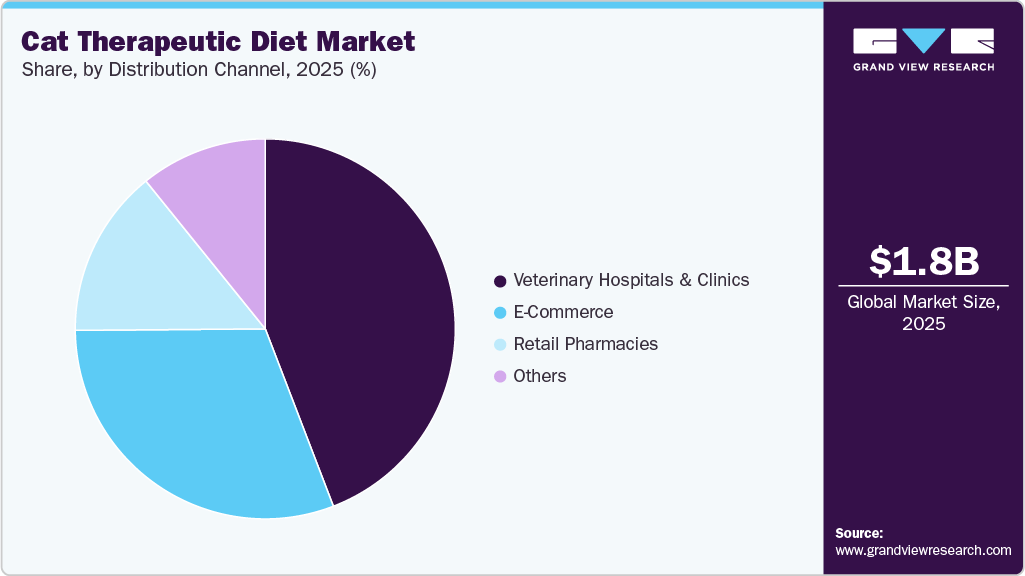
The cat therapeutic diet market’s fastest-growing category is e-commerce, which is being pushed by pet owners’ convenience-driven buying habits and expanding internet adoption. Numerous customized diets are easily accessible through online platforms, frequently at affordable costs with options for home delivery. Pets that need long-term therapeutic nourishment are guaranteed a steady supply thanks to subscription models and auto-replenishment services. Adoption is further boosted by raised awareness via vet-partnered portals and online educational materials. Increased visibility and trust are two benefits of big pet food businesses expanding their omnichannel strategies. Due to its quick expansion, e-commerce is poised to revolutionize the therapeutic diet distribution market.
Regional Insights
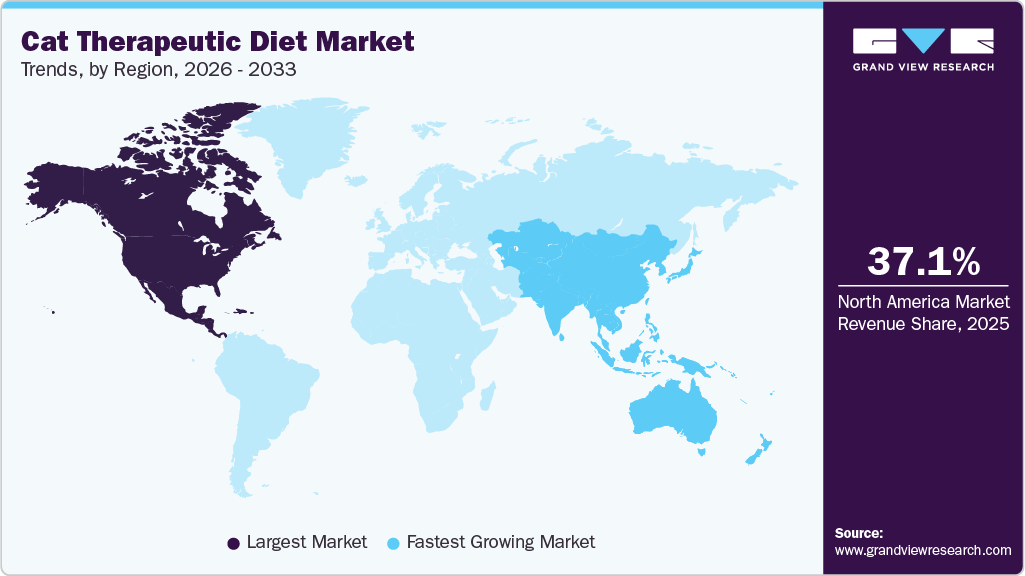
North America’s cat therapeutic diet market held the largest revenue share of 40.37% in 2024 and is competitive and expanding, driven by high pet humanization, rising obesity/CKD incidence, and strong veterinary recommendations. Key players include Colgate-Palmolive, Royal Canin (Mars), Purina Pro Plan Veterinary Diets (Nestlé), Blue Buffalo, and Virbac. Advancements center on evidence-based formulations, microbiome-focused nutrition, improved palatability/textures, personalized plans, tele-vet integrations, and omnichannel, especially rapid e-commerce/subscription fulfillment.
U.S. Cat Therapeutic Diet Market Trends
The U.S. cat therapeutic diet industry is growing rapidly, driven by rising chronic conditions like obesity, diabetes, and kidney disease, alongside increasing pet owner awareness and veterinary guidance. Examples of innovations include microbiome-based nutrition, enhanced palatability, tailored formulations that target specific diseases, and interaction with telemedicine platforms. Growing subscription services and e-commerce further speed up accessibility and long-term compliance.
Europe Cat Therapeutic Diet Market Trends
Europe’s cat therapeutic diet industry is driven by strong veterinarian advice, an increase in feline obesity and kidney disease cases, and pet owners’ increased emphasis on preventative care. Royal Canin, Hill’s Pet Nutrition, Purina, Virbac, and Farmina are some of the major participants. Condition-specific formulations, the use of natural ingredients, diets centered on the microbiota, enhanced palatability, and growing accessibility through veterinary clinics, specialized retail, and online platforms are some of the advancements.
The UK cat therapeutic diet market is driven by the growing rates of obesity, diabetes, and renal problems in pets, along with strong veterinary support and growing owner knowledge. In order to meet unmet needs in oncology care, Hill introduced Prescription Diet ONC Care in January 2023, showcasing innovation in therapeutic nutrition for pets with cancer. Advancements focus on tailored formulations, enhanced palatability, functional ingredients, and broader access via e-commerce and vet-clinic partnerships.
Asia Pacific Cat Therapeutic Diet Market Trends
The Asia Pacific cat therapeutic diet industry is the fastest-growing, driven by rising pet ownership, increasing awareness of feline health issues like obesity and CKD, and expanding veterinary care. Advancements focus on condition-specific nutrition, functional ingredients, improved palatability, and strengthened distribution through e-commerce, veterinary channels, and specialty retailers.
India’s cat therapeutic diet market is emerging, fueled by growing urban pet ownership, rising awareness of feline obesity, renal, and digestive disorders, and increased veterinary guidance. The introduction of Purrfeto, a high-end cat food line by Allana, in January 2025 highlights how the cat nutrition scene in India is changing. It supports the growing cat therapeutic diet industry, which is being driven by increased pet ownership, knowledge of obesity and kidney problems, and veterinary advice. It is supported by sophisticated production and quality expertise. Advancements in tailored formulations, palatability, e-commerce, and clinic partnerships are accelerating adoption across urban India.
Latin America Cat Therapeutic Diet Market Trends
The Latin America cat therapeutic diet industry is expanding, driven by increasing pet humanization, rising cases of feline obesity and renal disease, and growing veterinary influence. The inclusion of functional ingredients, improved palatability to increase compliance, and condition-specific, nutrient-balanced formulations are examples of advancements. The expansion of e-commerce, collaborations with veterinarian channels, and the use of high-end products are increasing accessibility and influencing the therapeutic nutrition environment in the area.
The Brazil cat therapeutic diet market is expanding quickly, owing to the factors such as the growing pet humanization, rising rates of obesity, diabetes, and kidney illness in cats, as well as strong professional advice. Targeted formulations for chronic illnesses, enhanced palatability to encourage compliance, and the use of functional ingredients are examples of advancements. Expanding e-commerce, premiumization, and veterinary-clinic partnerships are boosting accessibility, making Brazil a key Latin American growth hub.
Middle East & Africa Cat Therapeutic Diet Market Trends
The Middle East cat therapeutic diet industry is expanding, driven by rising pet ownership, increasing awareness of feline obesity, renal, and digestive issues, and a growing culture of pet humanization. Improvements include improved palatability, functional ingredients, condition-specific diets, and increased accessibility through veterinary clinics, specialist shops, and rapidly expanding e-commerce platforms.
South Africa’s cat therapeutic diet market is expanding gradually due to factors such as improved veterinary advice, growing awareness of feline obesity, kidney, and digestive diseases, and a rise in urban pet ownership. To promote long-term compliance, innovations include condition-specific nutritional formulations, the use of natural and functional substances, and enhanced palatability.
The cat therapeutic diet market in Saudi Arabia is growing due to the expanding e-commerce platforms, premiumization trends, and strengthened vet-clinic partnerships, enhancing accessibility. Market adoption is growing, driven by rising pet humanization, increasing prevalence of feline obesity, diabetes, and renal disorders, and expanding veterinary care awareness. Nutrient-optimized diets and the use of functional substances to promote general wellbeing are examples of advancements. The quick rise of e-commerce is fueling increased accessibility and steady market growth, the use of high-end products, and improved veterinary collaborations.
Key Cat Therapeutic Diet Company Insights
The cat therapeutic diet market is dominated by leading players such as Hill’s Pet Nutrition (Colgate-Palmolive), Royal Canin (Mars Petcare), Purina Pro Plan Veterinary Diets (Nestlé), and Blue Buffalo (General Mills). Together, they hold a significant market share, driven by strong veterinary networks, research-backed formulations, and brand trust. Other players like Virbac and Farmina are expanding with niche, condition-specific offerings.
Key Cat Therapeutic Diet Companies:
The following are the leading companies in the cat therapeutic diet market. These companies collectively hold the largest market share and dictate industry trends.
- Colgate-Palmolive Company
- Nestlé
- Mars Petcare
- General Mills Inc.
- Virbac
- Veterinary Nutrition Group
- Farmina Pet Foods
- Dechra
- Trovet
- Vetdiet
- MONGE SPA P.IVA
- FORZA10
- Rayne Clinical Nutrition
Recent Developments
-
In July 2025, Nestlé Purina India launches Friskies Meaty Grills and Indoor Delights. Targeting nutritional diversity, Indoor Delights supports indoor cats’ needs, reinforcing Purina’s presence in India’s growing cat food segment.
-
In February 2025, Nestlé Purina expands pyramid-shaped wet cat food across Europe under Gourmet Revelations and U.S. under Fancy Feast Gems. Designed for natural feline eating behaviors, it features patented easy-release serving technology.
-
In February 2025, Colgate-Palmolive’s Hill’s Pet Nutrition acquires Prime100, entering the fresh pet food category. The deal strengthens its science-led, vet-endorsed portfolio and expands its premium presence in Australia’s fast-growing pet nutrition market.
Cat Therapeutic Diet Market Report Scope
|
Report Attribute
|
Details
|
|
Market size value in 2025
|
USD 1.85 billion
|
|
Revenue forecast in 2033
|
USD 3.31 billion
|
|
Growth rate
|
CAGR of 7.50% from 2025 to 2033
|
|
Historical Period
|
2021 – 2023
|
|
Base year
|
2024
|
|
Forecast period
|
2025 – 2033
|
|
Quantitative units
|
Revenue in USD million/billion and CAGR from 2025 to 2033
|
|
Report coverage
|
Revenue forecast, company ranking, competitive landscape, growth factors, and trends
|
|
Segments covered
|
Product, indication, distribution channel, region
|
|
Regional scope
|
North America; Europe; Asia Pacific; Latin America; MEA
|
|
Country scope
|
U.S.; Canada; Mexico; UK; Germany; France; Italy; Spain; Denmark; Sweden; Norway; Japan; China; India; Australia; South Korea; Thailand; Brazil; Argentina; South Africa; Saudi Arabia; UAE; Kuwait; Qatar; Oman
|
|
Key companies profiled
|
Colgate-Palmolive Company; Nestlé; Mars Petcare; General Mills Inc.; Virbac; Veterinary Nutrition Group; Farmina Pet Foods; Dechra; Trovet; Vetdiet; MONGE SPA P.IVA; FORZA10; Rayne Clinical Nutrition
|
|
Customization scope
|
Free report customization (equivalent up to 8 analysts working days) with purchase. Addition or alteration to country, regional & segment scope.
|
|
Pricing and purchase options
|
Avail customized purchase options to meet your exact research needs. Explore purchase options
|
Global Cat Therapeutic Diet Market Report Segmentation
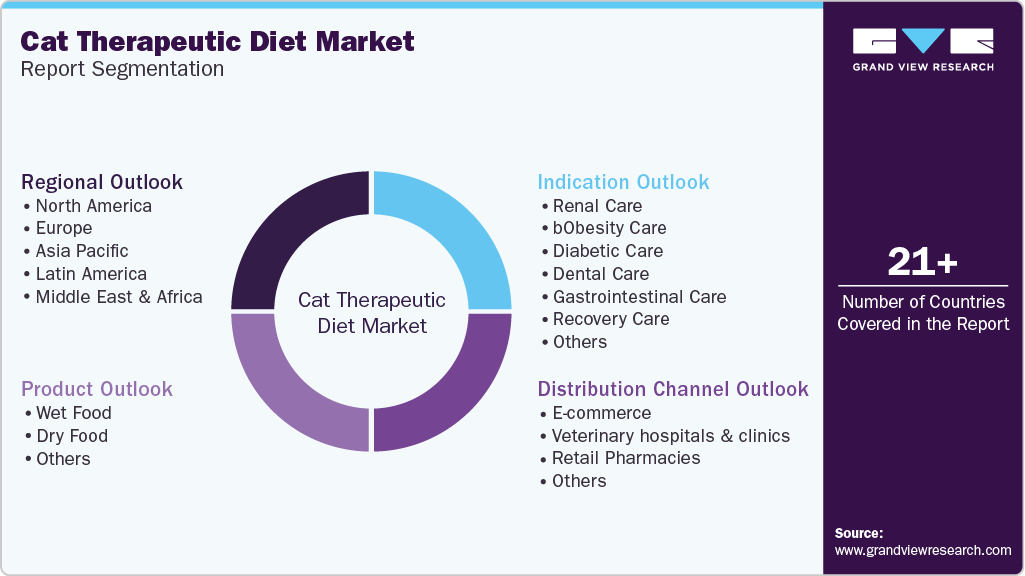
This report forecasts revenue growth at the global, regional, and country levels and provides an analysis of the latest industry trends in each of the sub-segments from 2021 to 2033. For this study, Grand View Research has segmented the cat therapeutic diet market report based on product, indication, distribution channel, and region:
-
Product Outlook (Revenue, USD Million, 2021 – 2033)
-
Indication Outlook (Revenue, USD Million, 2021 – 2033)
-
Renal Care
-
Obesity Care
-
Diabetic Care
-
Dental Care
-
Gastrointestinal Care
-
Recovery Care
-
Joint Care
-
Oncology Care
-
Others
-
-
Distribution Channel Outlook (Revenue, USD Million, 2021 – 2033)
-
Regional Outlook (Revenue, USD Million, 2021 – 2033)
Frequently Asked Questions About This Report
b. The global cat therapeutic diet market size was estimated at USD 1.72 billion in 2024 and is expected to reach USD 1.86 billion in 2025.
b. The global cat therapeutic diet market is expected to grow at a compound annual growth rate of 7.5% from 2025 to 2033 to reach USD 3.31 billion by 2033.
b. By product, dry food dominated the cat therapeutic diet market as the largest revenue share of 56.56% in 2024 and is the fastest growing over the forecast period due to its convenience, cost-effectiveness, and long shelf life. Pet owners prefer dry therapeutic diets for easier storage, portion control, and reduced spoilage compared to wet food.
b. Some key players operating in the cat therapeutic diet market include Colgate-Palmolive Company, Nestlé, Mars Petcare, General Mills Inc, Virbac, Veterinary Nutrition Group, Farmina Pet Foods, Dechra, Trovet, Vetdiet, MONGE SPA P.IVA, FORZA10, Rayne Clinical Nutrition.
b. Key factors that are driving the market growth include humanization of pets and premiumization of pet nutrition, rising prevalence of lifestyle-related medical conditions and veterinary guidance and rising clinical nutrition awareness.
link